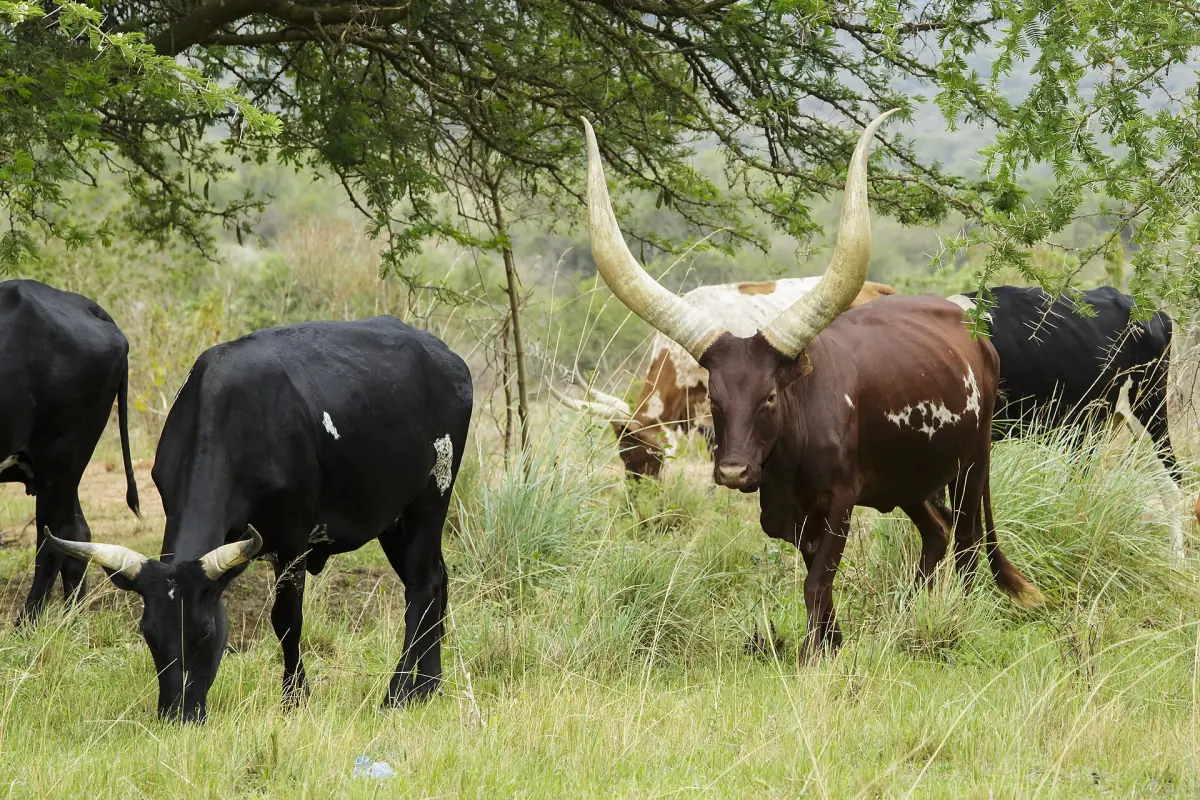
Ankole cattle at a glance
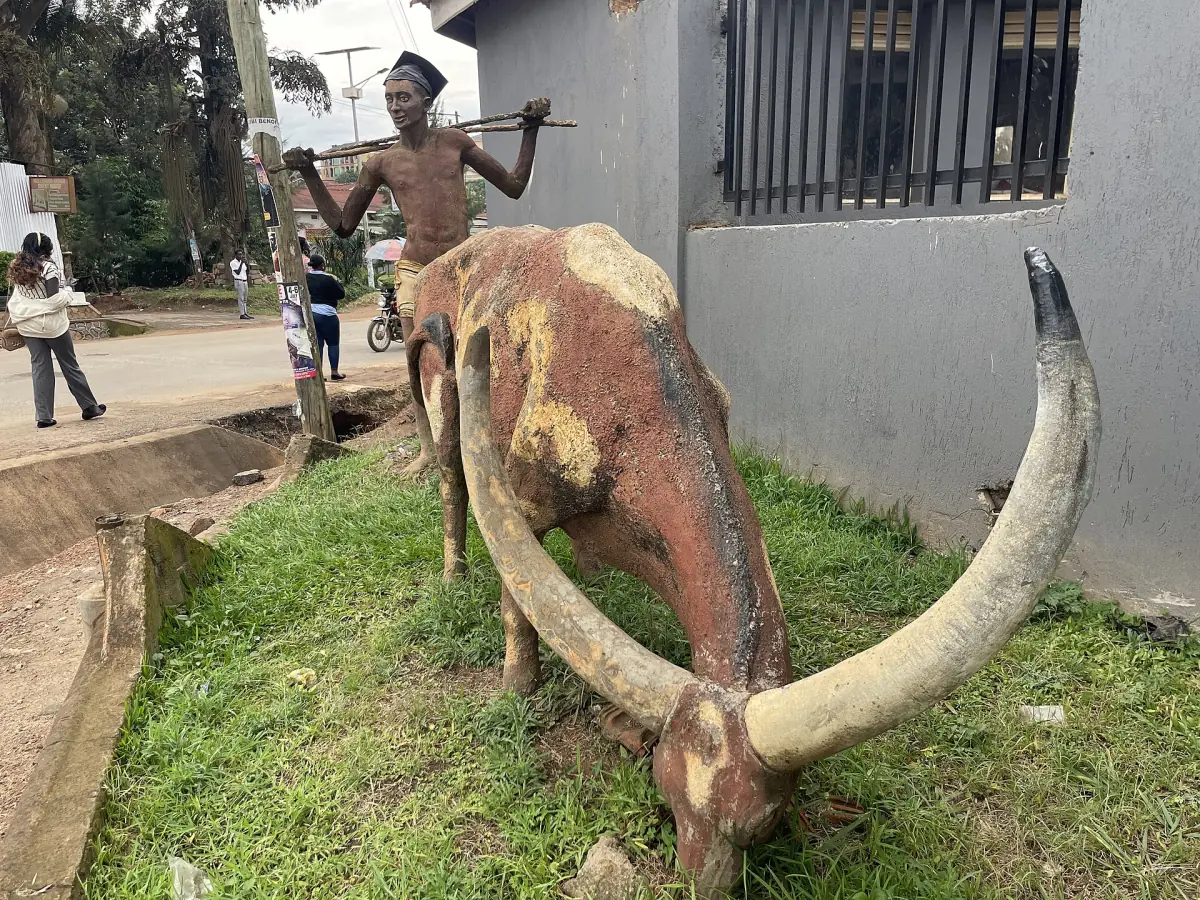
Ankole cattle are the long-horned herds of south-western Uganda. Their horns are huge, curving up and outward, and they are the first thing many visitors notice. You see them on the pastures and roads around Lake Mburo and Mbarara. Many travellers combine a Lake Mburo safari with a look at the herds on the way.
The herds belong to local herders, mainly Bahima families, who have kept cattle in this region for generations. The animals are not part of the national park's wildlife, and the park itself does not allow grazing inside its boundary. You see the herds just outside it.
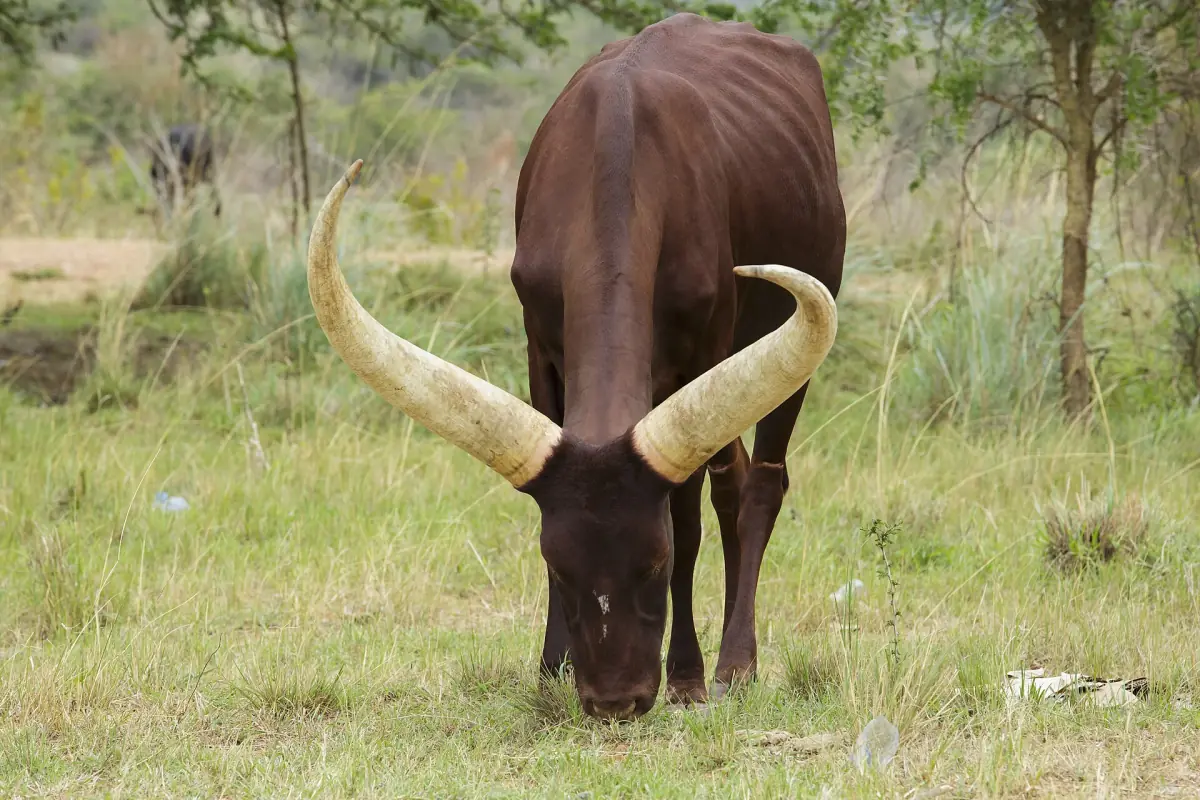
Ankole long-horned cattle and Watusi: the difference
Two names that people often mix up.
The Ankole group
Ankole cattle are a group of related types. Experts distinguish Bahima, Watusi, Bashi and Ruzizi types. The Bahima type is the one kept around Lake Mburo.
Watusi is one type
Watusi cattle are one type inside that group. Calling every local herd Watusi is not exact. The herds near the park are Ankole cattle of the Bahima type.
The horns
Large horns that curve up and outward are the mark of the group. Do not expect a fixed length. Horn sizes vary from animal to animal.
Lake Mburo tours with Ankole country
Day trips and safaris through the farmland and savanna around Lake Mburo, with live prices and availability.
The Bahima and their herds
For the Bahima around Lake Mburo, cattle are more than livestock. A herd means a livelihood, wealth and standing in the community. Milk and the sale of animals bring in income. These ties go back a long way, and they shape how families live today.
Not every person in the region is a herder, and the term Banyankole covers a wider group than the Bahima. Treat the herds as part of a living culture, not as a show. Greet the herders, ask before you photograph a person and keep your distance from the animals.
Where to see the herds
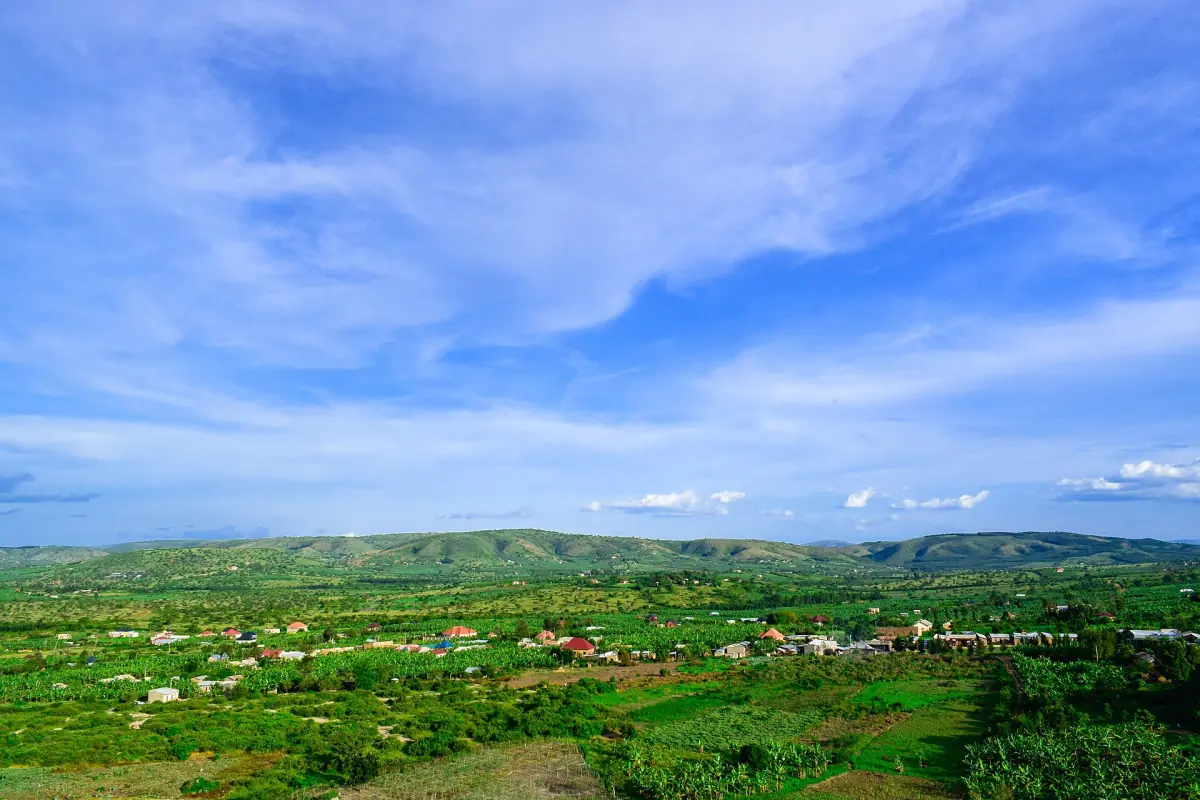
Drive slowly on the roads around the park and towards Mbarara. Herds are driven along the road and graze on open land. Slow down when you meet one and let the herder lead the animals past. You can read more about the city on the Mbarara page.
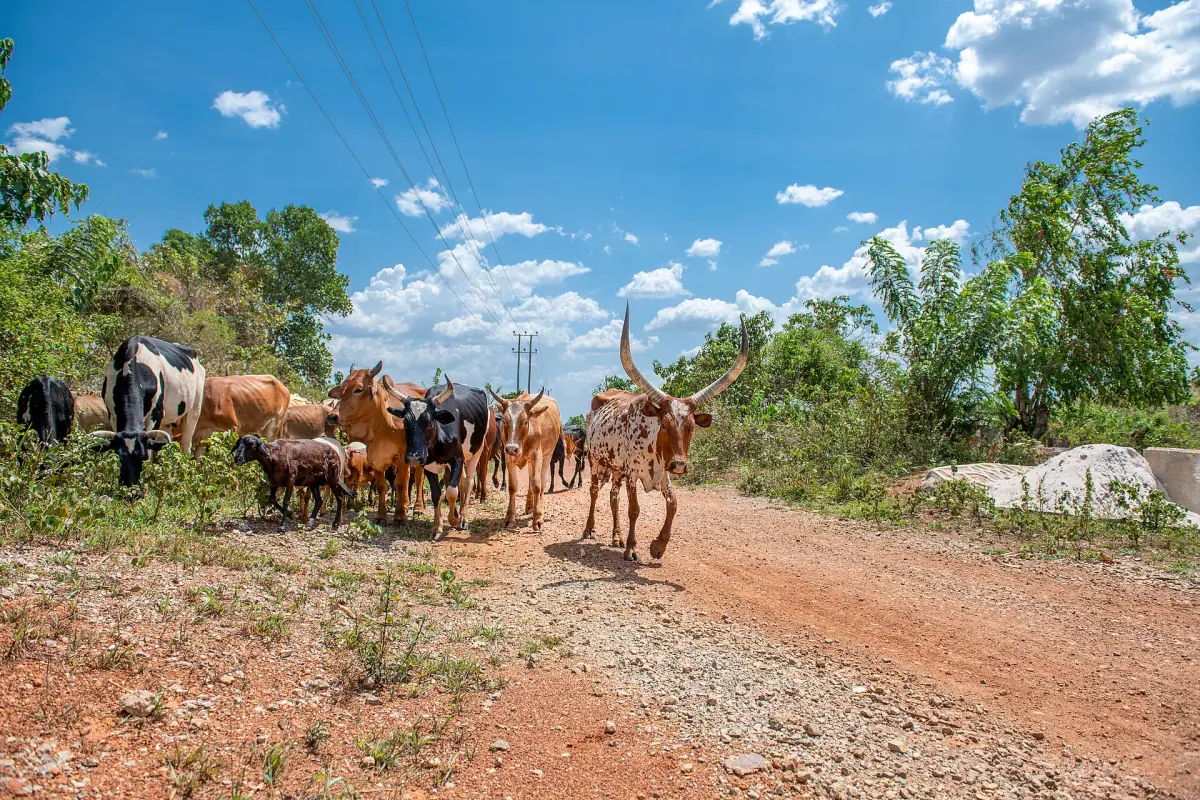
Herds and the national park
Grazing inside the park is forbidden. The park has dealt with grazing pressure inside its boundary, and cattle owners outside the park compete for the same land. This is an old tension and not a recent one. For the way it started, see the history of Lake Mburo.
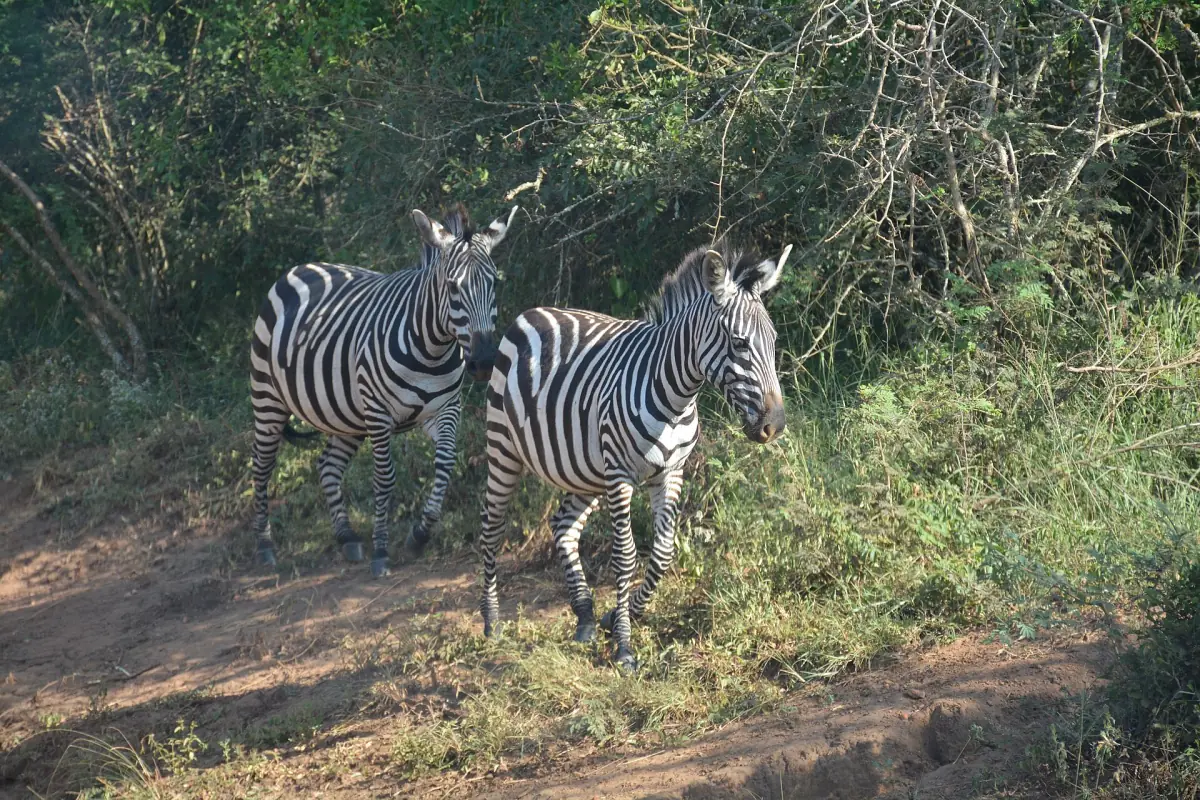
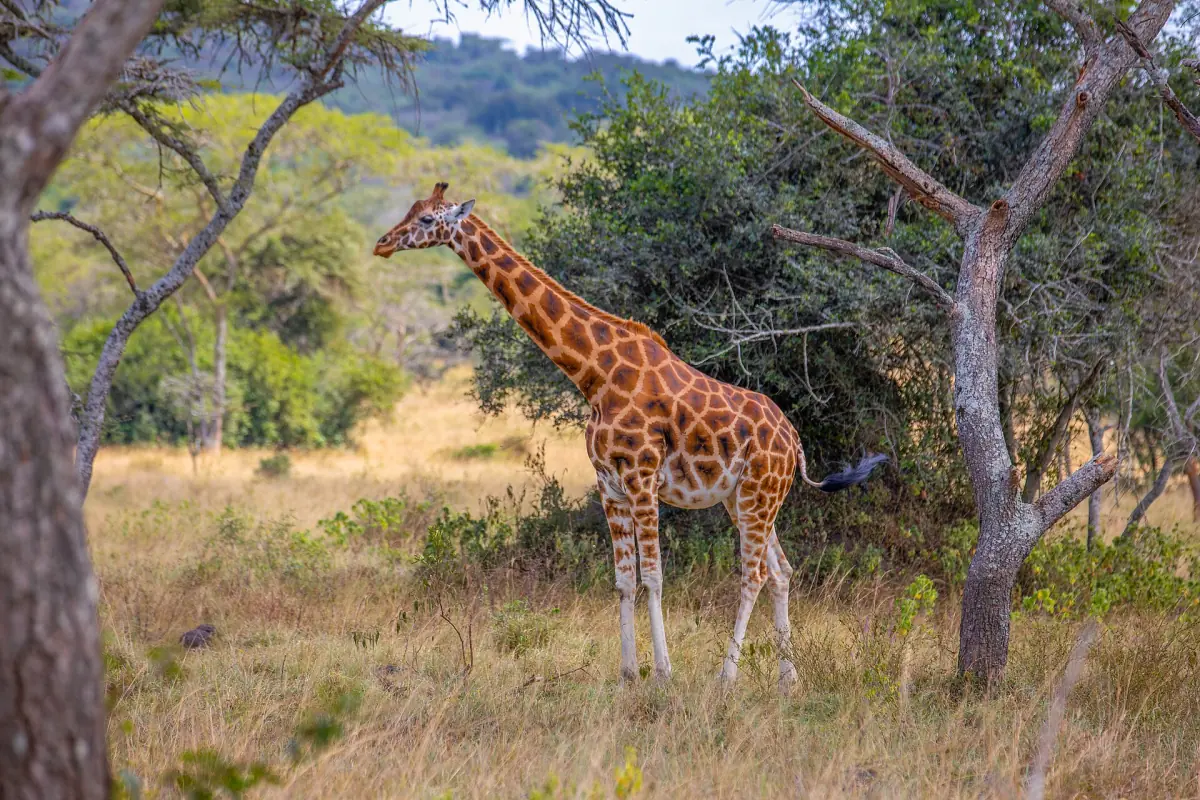
When you see cattle by the road, you are almost always outside the park boundary. Inside, you are looking for zebras and impalas. The Lake Mburo wildlife page describes what lives there.
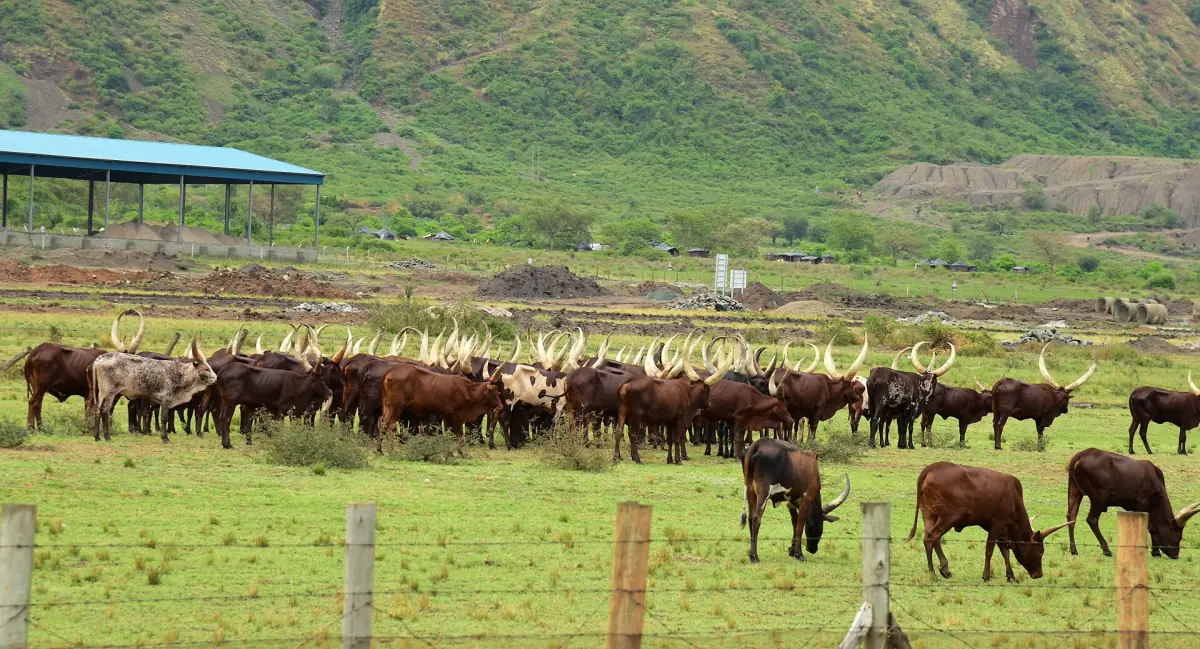
The Ankole kingdom
Ankole was a kingdom in this part of Uganda, and its ruler held the title Omugabe. The kingdom ended in 1967. The name lives on in the cattle and in the term Banyankole for the people of the region.
To learn more, visit the Igongo cultural museum at Biharwe. It lies on the Mbarara to Masaka road, about 12 km from the centre of Mbarara, and shows cultural heritage with performance programmes. Entry is about UGX 25,000 to 30,000, so check the current price at the door.
Plan the rest of your visit
Pages that fit with the herds.
Ankole cattle: frequently asked questions
What are Ankole cattle?
They are long-horned cattle of south-western Uganda, a group of related types with large horns that curve up and outward.
Are Ankole cattle the same as Watusi cattle?
Not exactly. Watusi is one type inside the Ankole group. The herds around Lake Mburo are Ankole cattle of the Bahima type.
Can cattle graze inside Lake Mburo National Park?
No. Grazing inside the park is forbidden. The herds you see graze outside its boundary.
Who keeps the cattle?
Mainly Bahima herding families. Cattle are a source of income, wealth and standing for them. Not every local person is a herder.
How should I behave around herders?
Greet them, ask before you photograph a person and keep your distance from the animals. Check with local people before you visit a homestead.